E-bike maintenance
How to Inflate E-Bike Tyres at Home: A Commuter's PSI Routine
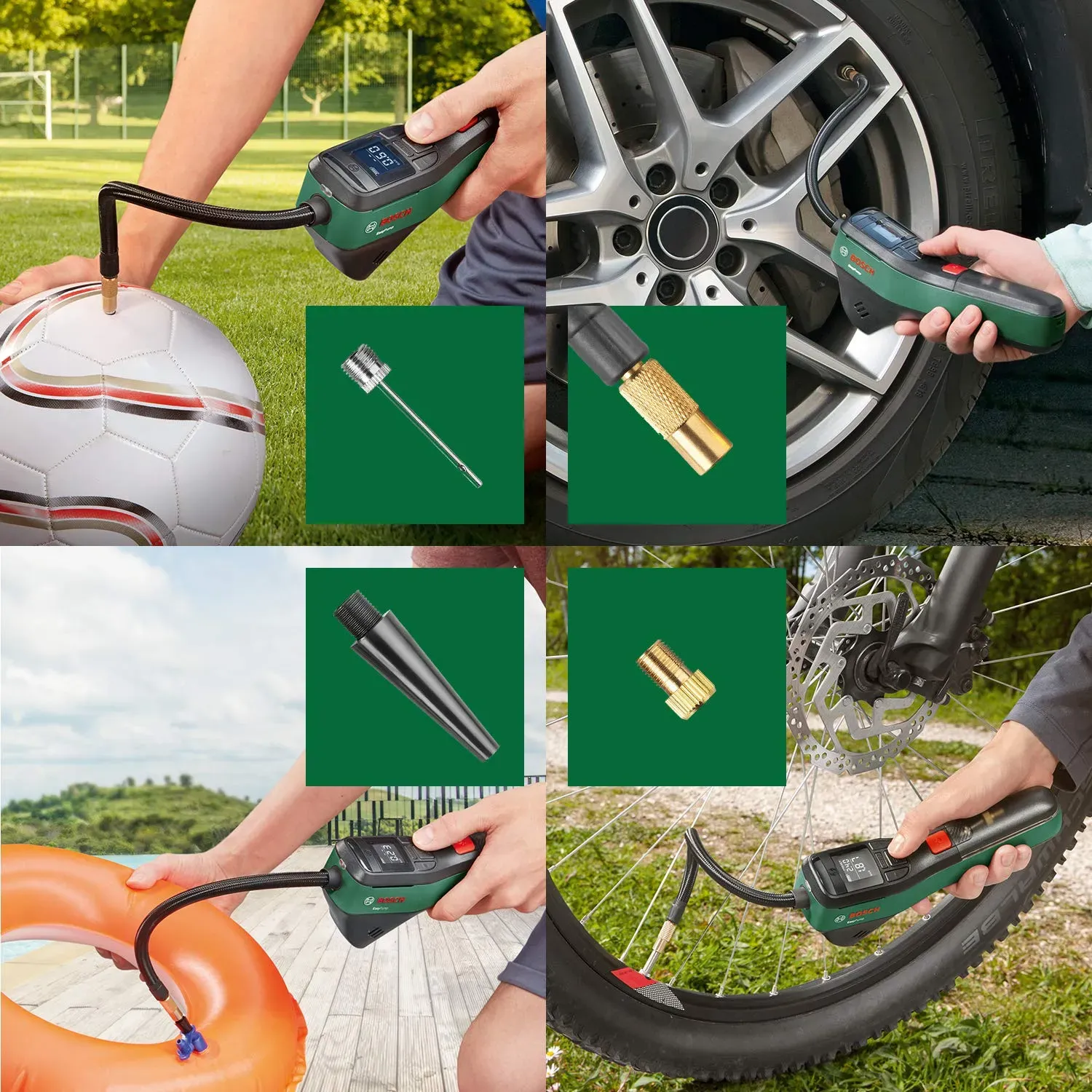
TL;DR: To inflate e-bike tyres at home: identify your valve (Presta or Schrader), read the pressure range on the tyre sidewall, set that target on your pump, seat the head squarely on the valve and inflate — ideally with a digital pump that stops itself, like the Bosch EasyPump (£95.98). On a heavy commuter e-bike, correct pressure is the difference between a lively ride with honest range and a draggy one that eats the battery.
Why pressure matters more on an e-bike
An e-bike carries motor, battery and frame reinforcement before you even get on, so its tyres run nearer their limits than a regular bike's. Soft tyres on that weight mean more rolling resistance — which the motor masks by spending your range — plus vaguer cornering and a higher chance of pinch punctures on kerbs and potholes. If your commute suddenly feels like the assistance dropped a level, pressure is the first thing to check, before blaming the battery.
Step 1: know your valve
Schrader is the car-style valve, common on hybrid-style e-bikes. Presta is the slimmer valve with a small locknut at the tip, standard on road-flavoured and many premium e-bikes. With Presta, unscrew that tip nut fully before attaching anything — a step everyone forgets once. The EasyPump covers both via its supplied connection and adapter, which spares the classic commuter fail: a pump that doesn't match the bike ten minutes before work.
Step 2: find your number
The recommended range is printed on the tyre sidewall — that range beats any generic advice. As orientation: narrower commuter e-bike tyres often sit around 45–65 PSI, wider comfort tyres lower. Then position yourself inside the range: heavier rider or panniers full of laptop and shopping → toward the top; lighter rider, wet greasy tarmac → a little lower for grip. Rear usually a touch higher than front, since it carries more of you.
Step 3: the actual routine
- Wheel positioned so the valve sits at a comfortable height (roughly 4 o'clock works well).
- Dust cap off; Presta tip nut unscrewed fully.
- Press the pump head straight on until it seats — a hiss means it isn't seated; re-press rather than persevering. A leaky connection is why pump readings sometimes disagree with the tyre.
- Set your target. On a digital pump with Autostop, this is where the thinking ends: it fills to the number and stops, and the readout doesn't need interpreting mid-stroke.
- Release the head cleanly in one motion, nut back down, cap on. A tiny hiss on disconnect is normal and already accounted for.
Make it a pre-commute habit
The whole check takes a couple of minutes, which matters because the realistic alternative isn't "pump later" — it's riding to work on a soft rear tyre. A cordless inflator makes the habit stick precisely because there's no dragging a track pump out: it lives by the door or in a pannier, needs no bracing or stroking, and USB-C charging means the office or kitchen can top the pump itself up whenever. Riders who log their pressures once (front and rear) can restore the identical setup every morning — no re-guessing.
Honest boundaries
Pressure fixes pressure problems and nothing else. If a tyre won't hold air overnight, the tube or sealant needs attention, not more pumping. Wobble, brake rub or motor faults are shop jobs — and for anything electrical on an e-bike, the dealer beats DIY. If you're still choosing a pump, the cordless tyre inflator for bikes guide covers the commuter checklist, the presta valve pump guide handles valve-specific quirks, and road riders chasing exact numbers should read the 150 PSI portable tyre inflator pressure guide.
Frequently Asked Questions
What PSI should e-bike tyres be?
Use the range printed on your tyre sidewall - it varies by tyre width and model. Within that range, go higher for heavier riders and loads, slightly lower for grip and comfort. There is no single universal e-bike figure.
Can I use a normal pump on an e-bike tyre?
Yes - e-bike valves are standard Presta or Schrader. Any pump that supports your valve type and reaches the sidewall pressure works; the e-bike part changes how much pressure matters, not the fitting.
Why does my pump gauge disagree with my tyre pressure?
Usually the head is not fully seated, so air leaks during pumping, or a puff escapes on disconnect. Seat the head squarely, release it in one clean motion, and be consistent about which reading you trust.
Does low tyre pressure really reduce e-bike range?
Yes - soft tyres roll with more resistance, and the motor compensates by drawing more from the battery. Keeping tyres in their recommended range is the cheapest range upgrade available.
Related reads: cordless tyre inflator for bikes · presta valve pump buying guide · 150 PSI portable tyre inflator guide
Two minutes before you leave
Free UK delivery · 30-day returns · 12-month warranty
Shop the Bosch EasyPump — £95.98